
Strategic Default
Strategic default is seen by some people as a way out of the hole they had gotten themselves into when they bought houses using loans which on hindsight they now see as being over inflated.
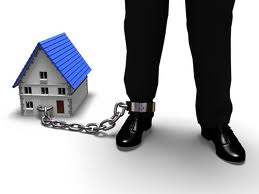 So what is strategic default? Basically, it is purposely stopping payments on loans to force the lender to foreclose on the property instead of seeking a solution to the loan payment. There are many reasons why a homeowner would opt for strategic default and end up losing his house. One, the moral issue of reneging on an obligation is not as humiliating as it was once perceived. When the lending fraud was uncovered, borrowers correctly felt that they had been cheated and thus do not feel compelled to honor their end of the deal.
Another reason that the property’s value has dropped so much since the borrower bought it that the unpaid portion of their loan is sometimes even greater than the current value. Continued payment of the loan will make the homeowner lose more money than he already has with the shrinking value of his property. There are more than ten million families in this situation and 27% of mortgages have submerged equities. The widespread use of strategic defaulting is also an offshoot of the federal government’s program on debt reduction which was conceived to curtail the increasing number of foreclosures. Since the borrowers who had not paid their loans for a consecutive 3 to 6 months were the only ones qualified to have the option of loan modification, borrowers deliberately defaulted just to meet eligibility requirements of the program. This was a scenario that they did not foresee.
Authorities in the industry differ in their views of strategic default. Some argue that borrowers should default intentionally if it’s in their best interest to do so. After all, if banks and other big corporations can do it and not tarnish their image, why shouldn’t individuals have the same privilege?
Admittedly, there are strategic default pros and cons. One advantage here is that the borrower who defaults strategically is cutting his losses. Another is that, by strategically defaulting, banks and lenders will offer loan renegotiation’s that would be more advantageous to the borrower. The disadvantages of strategic default however far outweigh its advantages. The negative personal effects of a strategic default reach far and wide. Your credit score is significantly lowered and a low credit score has an impact on most of your future transactions that involve money. When applying for a loan, you will have a harder time being granted the loan and the bank or lender will give you higher interest rates than another borrower with a good credit record.

Buying another home becomes more difficult as lenders will always check credit scores and won’t look at you kindly. Even for renting, landlords look into credit history and may refuse you or give you not-so-favorable terms. Insurance companies check out credit score and history before awarding a homeowner’s policy. Cell phone companies do the same investigation before handing out their phones to prospective clients.
Strategic default also has a negative impact on the economy of a country or state. Future loans become more expensive as a way to enable the lender to recoup the loss and many good borrowers are denied, making the mortgage industry inefficient. As a consequence, economic recovery slows down or may even be in danger of collapsing.
Strategic default benefits, if any, are short-term and cannot compensate for the drawbacks. The defaulter/borrower gets rid of the millstone that is his loan and he can use the money that would have gone into loan payment for other purposes. The rise in strategic mortgage defaults may push banks and the government to rethink financial policies to discourage homeowners from resorting to this option. If the borrower lives in one of the eleven states that do not have recourse terms, then doing a strategic default does not expose him to the resulting legal remedies that the lender can avail of, such as having the borrower’s income garnished or his personal properties confiscated.

The parameters of strategic default have been argued by some people. When is a person classified as purposely not paying his debt? In a strategic default setting, the borrower pays his other obligations, such as credit cards and car loans, but neglects payment on his property loan. But it is debatable if the non-payment is intentional or he just does not have enough money to cover all the payments due and he chooses instead to pay the loans that best serve his purpose. In any case, it is only normal not to want to pay for a submerged equity, where the loan has exceeded the value of the house.
Strategic Default in Short Sales
As borrowers have become more aware of the idea of strategic default, we are seeing it more and more in the field of short sales. Though it is commonly said that borrowers do not HAVE to be in default to qualify for a short sale, most banks will not seriously consider a file until the borrower is late on payments. After all, if the lender is still receiving their money each month, why should they have any reason to believe the borrower is struggling? It’s looked at like this: Some borrowers are pending their last dime just to make another month’s mortgage payment on a home they are already “upside down” on. Why spend all of their money when they know they’ll end up resulting to a short sale or foreclosure eventually once all of there funds run out? It’s basically delaying the inevitable. However, many borrowers find strategic default immoral and believe that since they signed a contract stating they would pay the bank back a certain amount, it is now their duty to continue paying until it simply becomes impossible. In the end, government must collaborate with the concerned agencies and financial institutions to find ways to protect the homeowner and resolve this threat to the economy. The amendment of policies on loans and mortgages may yet put a stop to the rising trend of strategic mortgage default.
For more information on the short sale process or to receive a free evaluation of where your home stands in today’s market, fill out the form below.